Prompt Deceased Wildlife Elimination for a Hygienic Environment
Efficient carcass disposal plays a vital part in preserving sanitary conditions. The existence of dead creatures can lead to safety risks, foul smells, and pest infestations. Comprehending the correct methods and safety measures is crucial for effective disposal. Property owners often must decide between expert assistance and DIY methods. copyrightining these alternatives uncovers important considerations that can impact community health and well-being. What factors should one weigh before choosing an option?
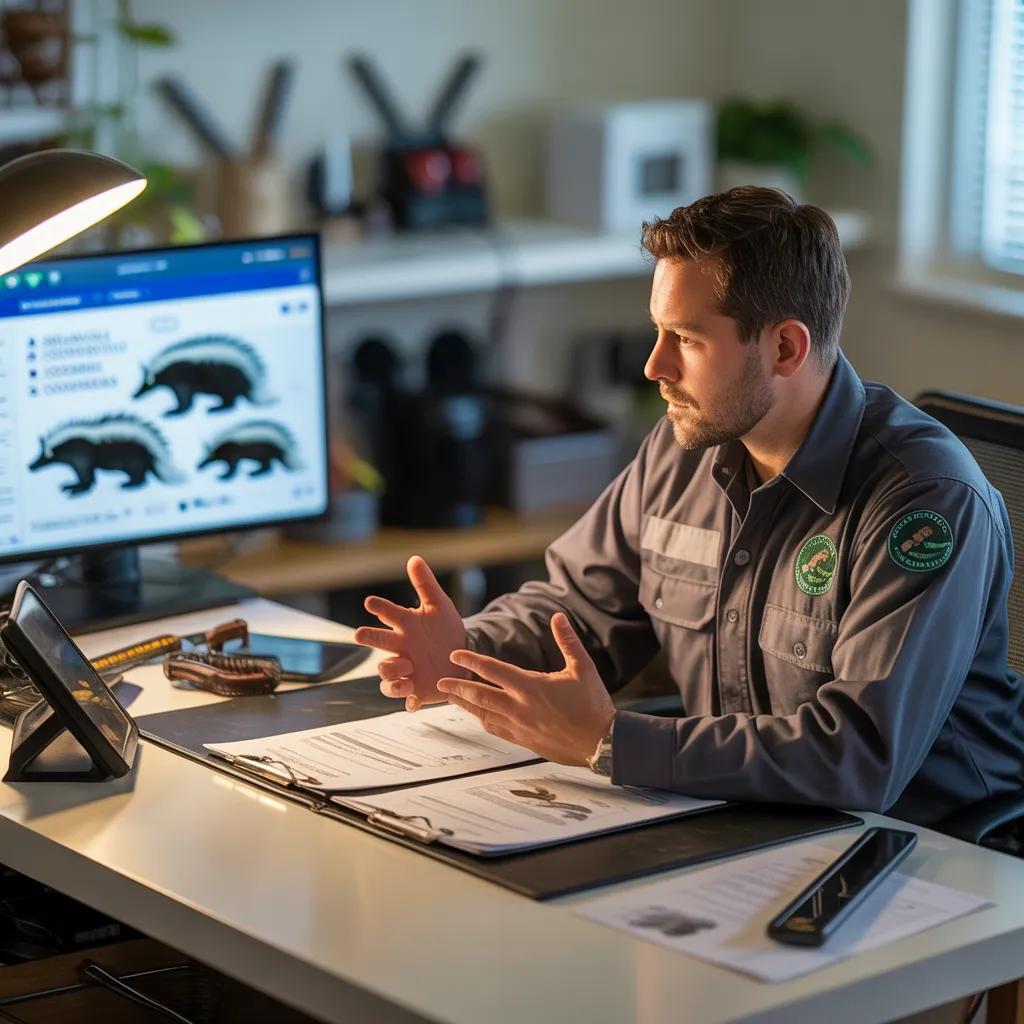
Why Deceased Wildlife Extraction Is Necessary for Health
Getting rid of deceased organisms is imperative for upholding public health and safety. Rotting remains can invite harmful creatures, including vermin and arthropods, which may transmit pathogens detrimental to human and pet health. The presence of lifeless creatures can also cause bad stenches, creating a unpleasant setting and potentially influencing mental well-being.
In addition, as carcasses decay, they can emit harmful pathogens and bacteria into the adjacent earth and aquatic environments, creating threats to local ecosystems. In urban and suburban settings, timely removal is critical to prevent contamination of water supplies and food sources.
Local governments and health organizations often emphasize the significance of swift action in dead animal removal to mitigate health risks and maintain community expectations. By ensuring that dead animals are appropriately handled, communities can protect public health and improve the overall standard of living for residents.
How to Manage Deceased Animal Removal Safely
Addressing dead animal removal requires careful evaluation of the situation to guarantee safety and effectiveness. Proper safety gear is crucial to safeguard against potential health risks. Moreover, understanding various disposal methods can facilitate a more efficient and conscientious process.
Begin with copyrightining The Situation First
When encountering the detection of a deceased animal, how one assesses the situation can significantly affect the safety and effectiveness of the disposal procedure. First, it is crucial to determine the kind of animal and its position, as this informs the necessary precautions. copyrightining the surroundings for potential hazards, such as traffic or toxic substances, is essential to guarantee personal safety. Additionally, determining the time since the animal died can help evaluate potential health risks, as stages of decomposition may influence odor and contamination levels. Noting any signs of disease or parasites is important for correct management. A clear assessment allows for a more organized approach, making certain that the removal process proceeds smoothly and reduces hazards to both the individual and the environment.
Critical Protective Gear Obligatory
Ensuring protection during dead animal removal requires appropriate protective gear. Individuals involved in this task should wear gloves to avoid direct contact with pathogens. Heavy-duty gloves, such as rubber or nitrile, offer adequate protection against dangerous bacteria and parasites. Additionally, masks or respirators are essential to avoid inhaling airborne contaminants that may emanate from decomposing animals. Eye protection, such as goggles, is recommended to shield against splashes or debris. Sturdy footwear, preferably with steel toes, protects against potential injuries while traversing the removal site. Finally, wearing long-sleeved clothing and pants can help minimize skin exposure to hazardous materials. By utilizing proper safety gear, workers can considerably reduce health risks associated with dead animal removal.
Overview of Disposal Methods
Effective removal techniques are essential for safely handling dead animal removal. Various techniques are utilized to guarantee environmental safety and compliance with local regulations. Common disposal methods include interment, where the animal is interred at a sufficient depth to prevent scavenging; incineration, review now which effectively eliminates pathogens and minimizes odor; and rendering, converting the remains into usable products. Additionally, some municipalities offer dedicated collection programs for dead animals, ensuring safe and efficient disposal. It is important to select a method that aligns with local laws and environmental guidelines. Proper disposal not only prevents health risks but also contributes to maintaining a clean and safe environment for both humans and wildlife.
Identify Indicators of Dead Animals
Identifying indicators of deceased animals is crucial for prompt removal. A strong, unpleasant odor often indicates a carcass nearby, while an excessive amount of insects can indicate decay. Recognizing these indicators allows for quick action and minimizes potential hazards.
Detection of Disagreeable Smells
A common , foul smell often signals the existence of a deceased animal nearby. This offensive scent is usually caused by the decay process, which emits a range of vapors and compounds. People may notice an acrid odor reminiscent of sulphur , ammonia , or rotting flesh, often growing stronger in confined areas or near obstacles like bushes or under decks. The intensity of the smell can vary based on environmental factors such as heat and humidity. Additionally, individuals may detect a persistent odor that persists despite ventilation efforts. Recognizing these odors is crucial for prompt action, as waiting can attract pests and lead to further environmental contamination. Prompt identification aids in maintaining a safe and sanitary environment.
Occurrence of Flies
The presence of flies often signifies the closeness of a deceased animal. These insects are attracted to decomposing biological material, making them an vital indicator in locating the position of a carcass. House flies, blow flies, and flesh flies are particularly common in such scenarios. Observing groups of these flies around a particular location can suggest decay in the vicinity. Additionally, the lifecycle stages of flies can offer clues into how long the animal has been deceased. Fly larvae, the young forms of flies, can often be observed crawling on or near the body, further verifying the existence of a deceased creature. Quick recognition and removal are essential to maintain a sanitary space and prevent additional pest problems or health hazards.
Would You Rather Select Between Skilled Services and DIY Techniques for Dead Animal Removal?
How should one decide among expert providers and DIY options for dead animal removal? This judgment frequently focuses on several points, including the magnitude of the predicament, personal proficiency, and accessible means. Professional services offer expertise and equipment built for safe and efficient retrieval, limiting health concerns connected with decomposing animals. They are particularly helpful for larger animals or those spotted in confined areas.
Conversely, do-it-yourself methods might be thought of for small animals, assuming the person has the required skills and protective gear. Cost is another critical factor; hiring specialists can be more costly than handling the situation independently. However, poor DIY efforts can lead to persistent odors or health hazards. Ultimately, the choice depends on the person’s comfort level, the difficulty of the removal, and the potential risks involved. Balancing these considerations can guide one toward the most effective solution for dead animal removal.
Top Guidelines for Reducing Future Creature Deaths
Animal deaths can often be prevented through proactive measures that tackle the underlying causes of wildlife encounters. Adopting environmental changes is critical; landowners should ensure that their properties are less attractive to wildlife. This includes containing waste, eliminating stagnant water, and closing access routes to structures.
Additionally, informing the community about local wildlife can foster more respectful coexistence. Awareness campaigns can highlight the importance of not feeding wild animals, which can lead to dependency and perilous encounters.
Consistent care of yards, including pruning overgrown vegetation, can deter creatures from making nests close by.
In addition, using humane deterrents, such as motion-sensing lighting or noise devices, can deter animals from accessing residential areas.
Costs to Get Ready For Lifeless Animal Removal Services
The charges for animal carcass removal can fluctuate widely based on several factors, such as the type of animal, its whereabouts, and accessibility. Typically, property owners may be prepared to pay between $100 and $300 for standard removals, while larger animals, such as deer or livestock, can increase expenses to $500 or more. Geographic location also plays a crucial role; city locations might have steeper fees due to greater demand and overhead expenses.
Accessibility constitutes another paramount factor; animals situated in hard-to-reach spaces, such as under decks or in attics, may incur ancillary charges. Some companies may charge extra for waste disposal fees or if specialized equipment are needed. In addition, emergency services, which offer same-day removal, can produce increased costs. Apprehending these variables can help individuals make informed decisions when selecting a service for dead animal removal.

Regularly Asked Answers
What Species of Animals Are Typically Taken Away During Dead Animal Extraction Services?
Commonly eliminated animals during dead animal removal services include rodents, raccoons, deer, birds, and domestic pets. Each species poses unique challenges, requiring expert care to guarantee safety and compliance with local regulations.
How Much Time Does It Normally Take to Remove a Dead Animal?
Generally, disposing of a dead animal takes between one to three hours, depending on factors such as location, accessibility, and the type of animal involved. Professional services guarantee swift and detailed removal to decrease health risks.
What Environmental Standards Govern Dead Animal Handling?
Yes, there are ecological standards supervising dead animal disposal. These requirements vary by region and usually address methods of disposal, safety measures, and the influence on public health and natural systems, ensuring responsible management of deceased animals.
What Steps Should I Follow if I Come across a Lifeless Animal on My Property?
Should you locate a expired creature on your property, you should keep from touching it, make a record of it, and immediately call local pest authorities or competent officials for safe and proper removal and disposal.
Can I inter a deceased animal in My Backyard within the law?
Local ordinances differ regarding burying dead animals in backyards. Generally, individuals should check with local officials to verify compliance with ordinances about depth, distance from water sources, and species-dependent guidelines before going ahead with burial.